Where AI Automation Actually Pays Off (and Where It Doesn't)
Solve TrendJuly 12, 20265 min read
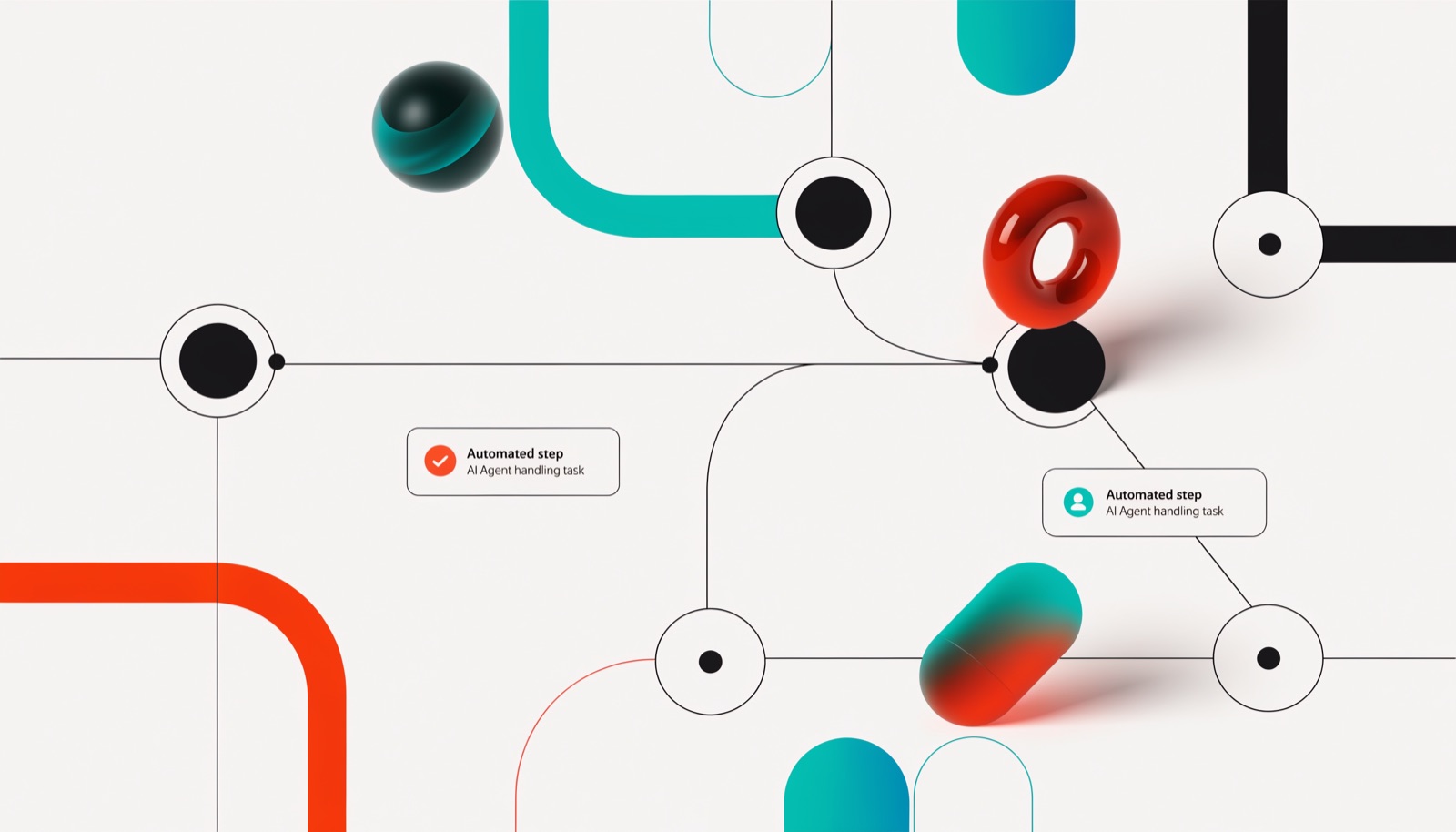
The question stopped being "can we automate this?" a while ago. With modern AI, the answer is almost always yes. The useful question now is "should we, and is it worth it?" because automating the wrong task well is just an expensive way to move a problem around.
The tasks worth automating first
The best early automations share three traits: they're repetitive, they're high-volume, and a human doing them adds little judgment. That's the sweet spot where AI removes real hours without removing the part where a person actually matters.
- Lead enrichment: pulling context on a new contact so your team doesn't have to Google them.
- Summarizing calls, emails, and threads into a few lines someone can act on.
- Drafting first-pass follow-ups a human edits and sends in seconds.
- Lead scoring and routing so the right person sees the right deal.
- Answering the same support question for the hundredth time.
Notice what these have in common: the AI does the grunt work, and a human keeps the judgment. That's not a limitation; it's the design. The goal is to give your team back the hours, not to remove them from the loop.
Where automation quietly backfires
Automation goes wrong when you point it at low-volume, high-stakes, or high-judgment work. Automating a decision that happens twice a month and needs real thought doesn't save time; it adds a system to maintain and a new way to be wrong. And automating something before you understand the manual process just encodes the mess faster.
Automate the busywork, not the judgment. If a task needs a human's read on it, the AI's job is to prepare it, not to make the call.
A simple filter before you build anything
Before automating a task, ask: how often does it happen, how long does it take each time, and what breaks if it's wrong? Multiply frequency by time to find where the hours actually are; use the "what breaks" answer to decide how much a human needs to stay in the loop. Start with the one or two automations that score highest, the ones that pay for themselves fast, and expand from there.
Done this way, AI automation isn't a moonshot. It's a series of small, obvious wins that compound, each one giving your team back time to spend on the work that actually needs them.
Working through this yourself?
If you’re weighing a custom build, a CRM, or an AI automation, we’re happy to talk it through: scope first, pitch later.